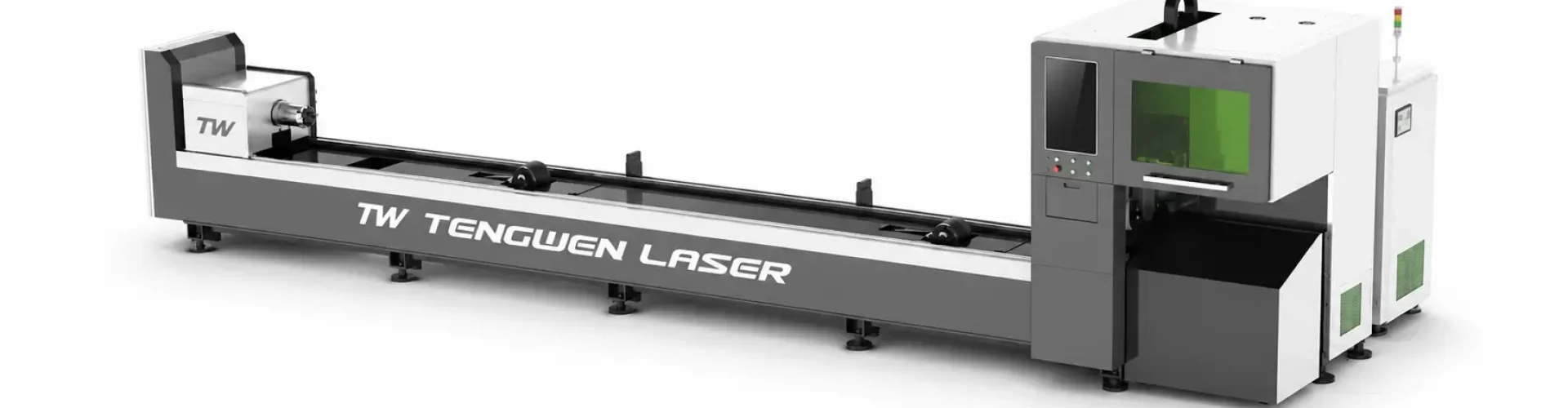
Fiber Laser Cutting Machine FAQs
Answers about machine selection, cutting capacity, pricing, installation, warranty, and support.
FAQ CATEGORIES
Browse by Category
Choose a topic to find the most relevant answers quickly.
Machine Selection
Questions about laser power, working area, machine type, and application requirements.
Cutting Capacity
Answers about materials, thickness range, cutting performance, and sample testing.
Price & Ordering
Learn about quotation scope, optional equipment, payment terms, and production lead time.
Shipping & Installation
Find information about packing, shipping, site preparation, installation, and commissioning.
Operation & Maintenance
Common questions about machine operation, daily care, consumables, and parameter support.
Warranty & Support
Understand warranty terms, service requests, spare parts, and technical support availability.
MACHINE SELECTION
Fiber Laser Cutting Machine Selection FAQs
Find answers about laser power, working area, machine structure, and the information needed for an accurate machine recommendation.
How do I choose the right laser power?
The right laser power depends on your material type, maximum thickness, required cutting speed, and daily production volume. Higher power is not always the better choice if your actual cutting needs do not require it. A practical configuration should balance cutting capacity, efficiency, and investment cost. For a more accurate recommendation, please share your material, thickness, and production requirements on our Pre-sales Consultation page.
What working area should I choose?
The working area should match the sheet sizes or tube lengths you process most often. Common sheet sizes such as 1500 × 3000 mm or 2000 × 6000 mm usually determine the most suitable table size. Choosing a machine that is too small may limit production, while a larger machine than necessary may increase investment and space requirements. For project-based advice, you can submit your application details through our Pre-sales Consultation page.
Should I choose an open or enclosed machine?
An open machine is often suitable for customers who want a practical and cost-effective solution, especially for standard sheet cutting applications. An enclosed machine is usually preferred when higher safety, cleaner operation, and a more integrated production environment are important. The right choice depends on your budget, workshop conditions, operator preferences, and local safety expectations. For a more suitable recommendation, see our Pre-sales Consultation page.
Do I need a sheet and tube machine?
A sheet and tube laser cutting machine can be a good choice if you regularly process both flat sheets and tubes and want to save space or reduce the need for separate equipment. However, if one application is much more important than the other, separate dedicated machines may provide better long-term efficiency. The right decision depends on your product mix, output requirements, and investment plan. You can contact us through Pre-sales Consultation for a more detailed comparison.
What information is required before you recommend a machine?
To recommend a suitable machine, we usually need your material type, maximum thickness, working size, tube dimensions if applicable, daily production volume, and destination country or voltage conditions. This information helps us match the right power level, machine type, and supporting configuration more accurately. Clear application details also help avoid over-configuration or missing important options. You can submit these details on our Pre-sales Consultation page for a tailored recommendation.
MATERIALS & CUTTING CAPACITY
Fiber Laser Cutting Capacity and Material FAQs
Find answers about supported materials, cutting thickness, sample testing, and the factors that affect cutting speed and edge quality.
What materials can a fiber laser cutter cut?
A fiber laser cutting machine is commonly used for carbon steel, stainless steel, aluminum, brass, copper, and other metal materials. The actual cutting result depends on the material type, thickness, surface condition, and machine configuration. Some reflective materials may require suitable power, correct setup, and stable parameter control for better performance. If you want a more accurate recommendation for your application, please contact us through our Pre-sales Consultation page.
What thickness can a 3kW, 6kW or 12kW machine cut?
The cutting thickness of a 3kW, 6kW, or 12kW fiber laser machine depends on the material type, required cutting quality, and production target. Higher power generally supports thicker materials and faster cutting, but the best choice should still match your actual application. Auxiliary gas, cutting head performance, and parameter settings also affect the practical result. For project-based advice, you can share your material and thickness requirements on our Pre-sales Consultation page.
Can the machine cut aluminum, copper and brass?
Yes, fiber laser cutting machines can cut aluminum, copper, and brass, but these materials usually require suitable machine configuration, correct parameters, and stable cutting conditions. Because reflective materials behave differently from carbon steel or stainless steel, cutting quality and speed may vary depending on thickness and power level. For better evaluation, we recommend sharing your material type, thickness, and expected result through our Pre-sales Consultation page.
What affects cutting speed and edge quality?
Cutting speed and edge quality are affected by material type, thickness, laser power, cutting gas, nozzle condition, parameter settings, and machine stability. In many cases, the best result is achieved by balancing speed, edge finish, and production efficiency rather than focusing on only one factor. Operator experience and correct maintenance also influence consistent cutting performance. If you need help matching the right setup, please contact us through Pre-sales Consultation.
Can you provide a sample cutting test?
Yes, we can usually support sample cutting evaluation based on your material, thickness, drawing, or cutting requirements. A sample test helps verify whether the recommended machine configuration is suitable for your production needs before purchase. The final test method may depend on the material type, application details, and available information. To arrange a sample cutting discussion, you can visit our Pre-sales Consultation page and send us your project details.
PRICE & ORDERING
Fiber Laser Cutting Machine Price and Ordering FAQs
Find answers about machine pricing, quotation scope, optional equipment, payment methods, and production lead time.
How much does a fiber laser cutting machine cost?
The cost of a fiber laser cutting machine depends on machine type, laser power, working area, configuration level, and optional equipment. A sheet laser cutter, tube laser cutter, or enclosed model may have very different price ranges depending on the application. The most useful way to evaluate cost is to compare the machine against your actual material, thickness, and production goals rather than power alone. For a broader overview of pricing factors, you can read our Fiber Laser Cutting Machine Price Guide.
What is included in the quotation?
A quotation usually includes the main machine configuration and the agreed standard scope of supply. Depending on the project, it may also list optional items, auxiliary equipment, shipping terms, or service-related notes separately. Because configurations vary by application, the quotation should always be reviewed together with the technical proposal to understand exactly what is included. For a clearer quotation based on your requirements, please visit our Pre-sales Consultation page.
Which optional equipment may be required?
Optional equipment depends on the machine model, material type, workshop conditions, and production plan. Common items may include air compressors, voltage stabilizers, dust collection systems, loading solutions, and other supporting equipment. Not every project requires the same setup, so optional equipment should be matched to the actual installation and operating environment. To learn more about site preparation and supporting conditions, please see our Installation & Training page.
What payment methods do you accept?
Payment methods are usually confirmed during the quotation and order discussion stage according to the project, contract terms, and export arrangement. The final payment structure may vary depending on machine type, order value, and delivery terms. To avoid misunderstanding, payment conditions should always be confirmed in the formal quotation or sales contract. If you need confirmation for a specific order, please contact our sales team directly.
How long does production take?
Production lead time depends on the machine model, configuration complexity, current factory schedule, and whether special options are included. Standard machines may have a shorter lead time, while customized solutions or busy production periods may require more time. The most accurate production schedule should always be confirmed with the final machine configuration and order arrangement. For an updated lead time estimate, please contact our team directly with your project details.
NEED A MACHINE RECOMMENDATION?
Get a Recommendation for Your Project
Send us your material, thickness, drawing, and production volume to get a suitable fiber laser cutting machine recommendation.
SHIPPING & INSTALLATION
Shipping, Installation and Commissioning FAQs
Find answers about machine packing, international shipping, installation conditions, on-site preparation, and commissioning support.
How is the machine packed?
Laser cutting machines are usually packed according to the machine structure, shipping method, and export requirements. Main equipment, accessories, and key components are typically protected separately to reduce movement, moisture exposure, and transport risk during delivery. The exact packing method may vary depending on machine size, enclosed structure, and destination requirements. If you need packing details for a specific model, please contact our team directly for confirmation.
Can you arrange international shipping?
Yes, international shipping can usually be arranged according to the machine model, destination country, and delivery terms. Shipping planning may include packing coordination, loading arrangement, and export-related preparation depending on the order. Final shipping scope and responsibility should always be confirmed during the quotation and contract stage. For project-specific delivery planning, you can contact our sales team or confirm details together with your quotation.
What site conditions are required?
Site conditions usually include suitable power supply and voltage, grounding, compressed air or cutting gas preparation, workshop space, unloading conditions, and a stable operating environment. Some projects may also require network access, ventilation planning, or additional auxiliary equipment depending on the machine configuration. Good site preparation helps reduce installation delays and supports smoother commissioning. For a clearer checklist, please see our Installation & Training page.
Is installation included?
Installation support is usually arranged according to the machine type, project scope, and agreed service terms. Depending on the order, support may include installation guidance, commissioning assistance, operator training, or coordination for further service when required. The final support scope should always be confirmed in the quotation or contract. To learn more about installation preparation and training support, please visit our Installation & Training page.
How long does commissioning take?
Commissioning time depends on the machine model, workshop preparation, utility readiness, and whether installation conditions have been confirmed in advance. If the site is prepared well and the machine is installed smoothly, commissioning is usually more efficient. Delays are more likely when power, gas, space, or unloading conditions are not ready before delivery. For a better understanding of the process, please refer to our Installation & Training page.
OPERATION & MAINTENANCE
Operation, Maintenance and Consumables FAQs
Find answers about machine operation, daily maintenance, consumable replacement, operating cost factors, and parameter adjustment support.
Is the machine difficult to operate?
Modern fiber laser cutting machines are generally designed for practical operation, and most users can learn the basic workflow after proper training. Actual ease of use depends on the CNC system, nesting software, operator experience, and the complexity of the cutting application. A clear training process helps operators understand setup, loading, parameter use, and daily operation more efficiently. To learn more about training support, please visit our Installation & Training page.
What daily maintenance is required?
Daily maintenance usually includes basic cleaning, checking consumables, inspecting the cutting area, monitoring gas and air conditions, and following routine lubrication or inspection steps according to the machine requirements. Good maintenance habits help reduce unexpected downtime and support more stable cutting performance over time. The exact maintenance routine may vary by machine model and working conditions. For more information about training and maintenance preparation, please see our Installation & Training page.
What consumables need regular replacement?
Common consumables may include protective lenses, nozzles, ceramic rings, filters, lubricants, and other wear parts depending on the machine configuration and operating conditions. Replacement frequency is affected by material type, thickness, cutting hours, operator habits, and maintenance quality. Keeping the right consumables available helps reduce delays and maintain consistent cutting results. For consumables support and replacement planning, please visit our Warranty & Spare Parts page.
How much gas and electricity does the machine use?
Gas and electricity consumption depends on laser power, material type, thickness, production volume, auxiliary equipment, and the cutting process itself. Higher power and thicker materials usually lead to higher operating cost, but the actual cost should always be evaluated together with production efficiency and output. Because usage varies by application, the best estimate comes from your real production requirements. For a more practical machine recommendation, you can visit our Pre-sales Consultation page.
Can you help adjust cutting parameters?
Yes, parameter support can usually be provided when cutting results need adjustment or when the material, thickness, or application changes. In many cases, cutting quality is influenced by parameter settings together with nozzle condition, gas, material consistency, and machine status. Clear photos, videos, and application details help make technical support more efficient. If you need issue follow-up or service coordination, please visit our After-sales Service page.
WARRANTY & SUPPORT
Warranty, Spare Parts and Technical Support FAQs
Find answers about warranty coverage, consumables, service request process, technical support, and spare parts supply.
How long is the warranty?
Warranty duration is usually confirmed according to the machine contract and the terms of different components. In many cases, core components may have different warranty periods depending on the supplier and agreed configuration. For this reason, the final warranty period should always be checked against the formal quotation, contract, and component terms rather than assumed from a general statement. For more detailed coverage information, please visit our Warranty & Spare Parts page.
What components are covered?
Warranty support is typically provided for key machine components according to the agreed scope of supply and component terms. This may include major machine systems such as the structure, electrical parts, CNC system, servo system, laser source, cutting head, or chiller, depending on the project. Final coverage can vary by component and contract arrangement, so it should always be confirmed against the machine documentation. For more details, please see our Warranty & Spare Parts page.
Which items are considered consumables?
Consumables are parts that wear during normal machine operation and usually require routine replacement rather than warranty handling. Common examples may include protective lenses, nozzles, ceramic rings, filters, lubricants, and other wear parts depending on the configuration and working conditions. Replacement frequency is influenced by material type, thickness, operating hours, and maintenance quality. For consumables planning and parts support, please visit our Warranty & Spare Parts page.
How do I submit a service request?
A service request is usually submitted with the machine model, serial number, alarm information, photos or videos, and a clear description of the issue. The more complete the information is, the easier it is for the service team to review the problem and arrange the next step. In many cases, issue handling begins with an initial review and remote diagnosis before further action is confirmed. To understand the full service process, please visit our After-sales Service page.
Do you provide remote technical support?
Yes, remote technical support can usually be provided for issue review, parameter assistance, software-related questions, and basic troubleshooting support. The exact support method depends on the issue type, available information, and whether the problem can be evaluated remotely. For more efficient support, customers are usually asked to provide alarm details, photos, videos, and machine information in advance. For service coordination and support steps, please see our After-sales Service page.
STILL HAVE QUESTIONS?
Tell Us About Your Project
If you did not find the answer you need, send us your material, thickness, and project details. Our team will help you with machine selection, quotation, installation, or service support.
- Machine selection support
- Material and application matching
- Practical configuration advice
- Fast response within 24 hours
Address:
Energy Industrial Park, No. 5577 Industry North Road, Jinan, China
Email:
sales@tengwenlaser.com