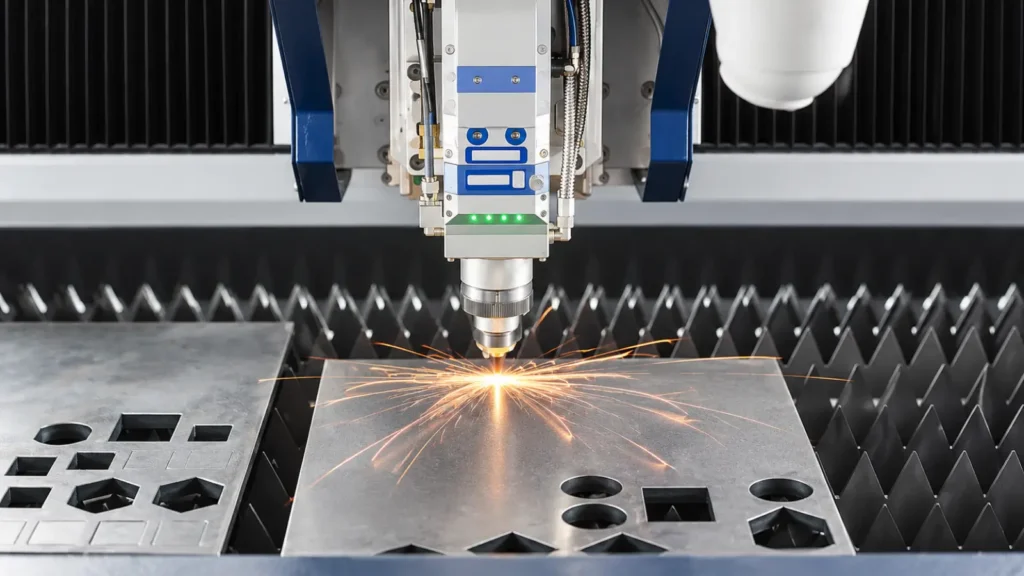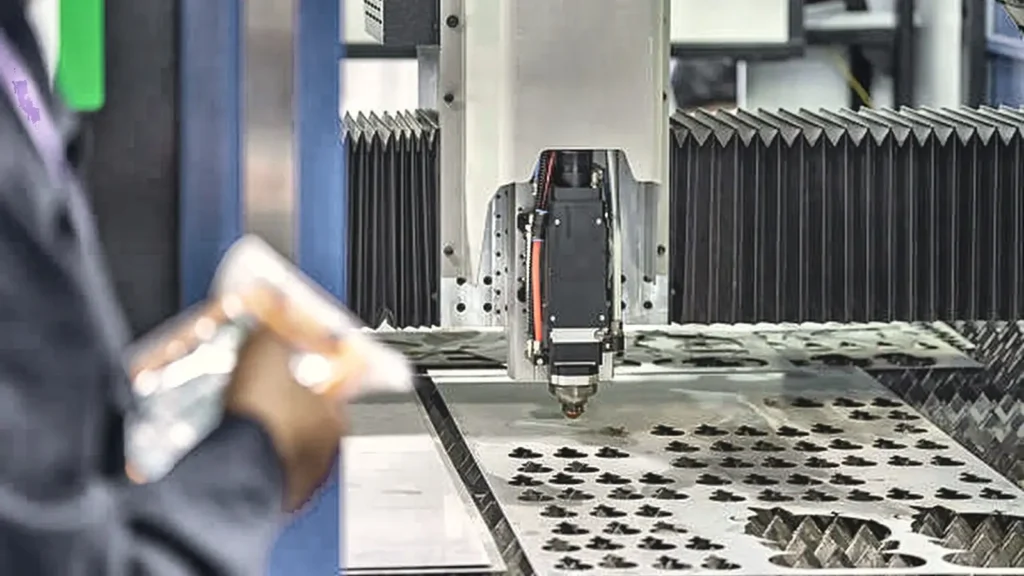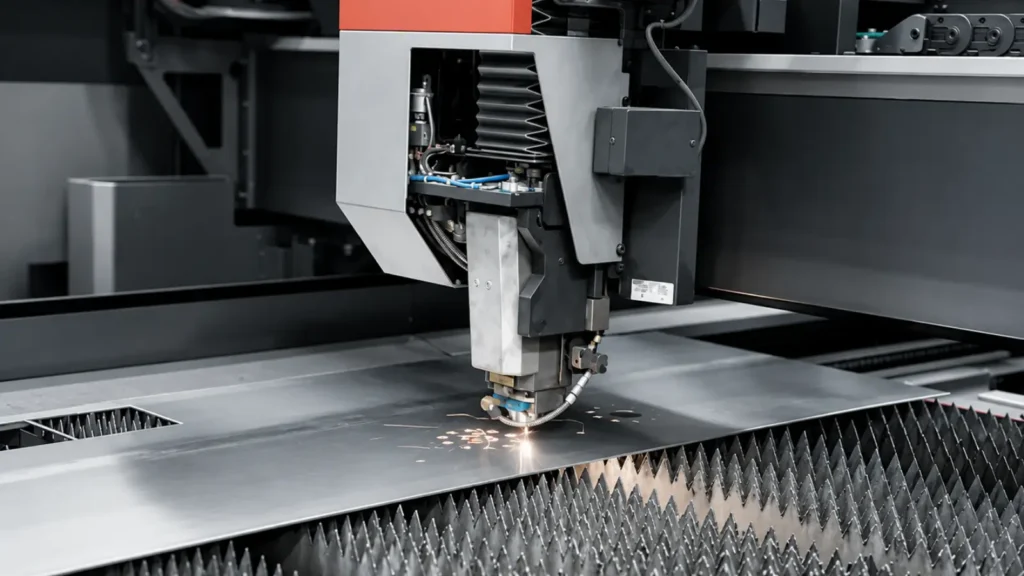
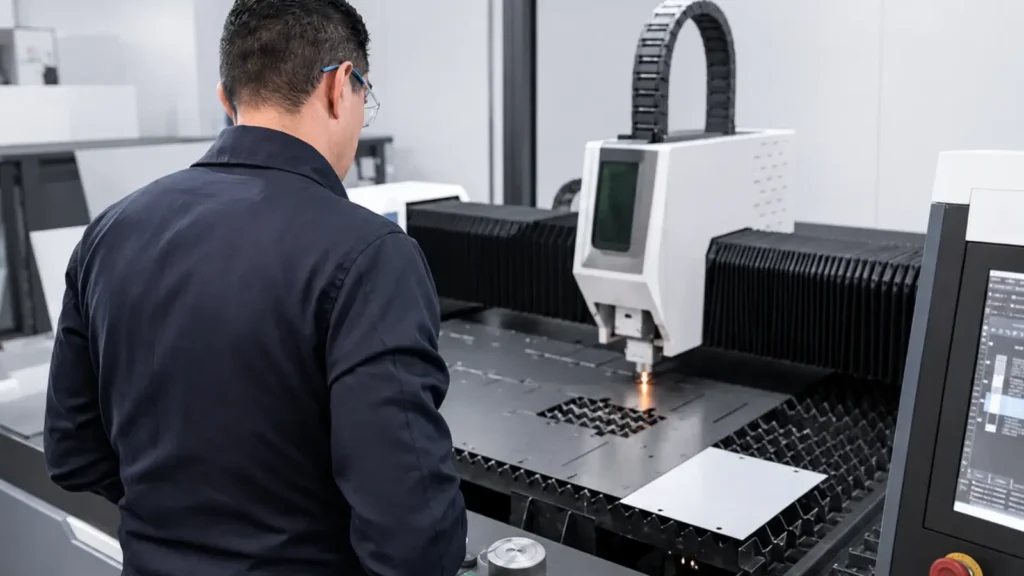
Stainless Steel Laser Cutting Machine: Buyer Guide
A stainless steel laser cutting machine is widely used in sheet metal fabrication, kitchen equipment, food machinery, elevator panels, electrical cabinets, decoration, and stainless steel enclosures. It can cut complex shapes without molds and is suitable for both small-batch and batch production.
However, choosing a stainless steel laser cutting machine is not only about laser power. Buyers should also check auxiliary gas, edge quality, cutting thickness, machine structure, automation, and operating cost.
Why Stainless Steel Needs the Right Cutting Process
Stainless steel is usually cut with nitrogen when a bright, low-oxidation edge is required. Nitrogen helps reduce oxidation on the cut edge, which is important for parts that need a clean appearance or easier downstream processing.
Common stainless steel materials include:
- 201 stainless steel
- 304 stainless steel
- 316 stainless steel
- 430 stainless steel
- Decorative stainless steel sheet
Different grades and surface conditions may require different parameters. Surface film, sheet flatness, gas purity, nozzle condition, and focus position can all affect the final cutting result.
It is not accurate to claim that stainless steel laser cutting is always completely burr-free. A more realistic target is low-burr, low-oxidation, and stable cutting under suitable material, gas, and process conditions.
Choose the Right Laser Power
Laser power affects cutting speed, thickness range, and production efficiency.
A lower-power machine may be enough for thin stainless steel sheets. A higher-power machine may be useful when your factory regularly cuts medium or thick stainless steel plates.
A simple power selection guide is:
| Laser Power | Suitable Use |
|---|---|
| 1.5–3kW | Thin stainless steel sheet cutting |
| 4–6kW | General stainless steel fabrication |
| 12kW | Higher productivity for medium plates |
| 20kW and above | Heavy-duty or high-volume production |
Do not choose power only by maximum cutting thickness. Maximum thickness is a limit under specific conditions. For daily production, quality cutting thickness and economic cutting thickness are more important.
Check Edge Quality Requirements
Different stainless steel parts have different edge quality requirements.
For visible decorative panels, elevator parts, kitchen equipment, and stainless steel furniture, edge color, burr condition, and surface protection are important. For structural parts, dimensional accuracy and downstream welding or bending may be more important.
Before buying a machine, confirm:
- Required edge color
- Acceptable burr level
- Hole accuracy
- Surface scratch control
- Bending or welding requirements
- Whether polishing is still needed
A supplier should provide sample cutting based on your real material, thickness, and drawing.
Consider Machine Structure
Open-type machines are more affordable and suitable for small workshops or entry-level users. They are practical for lower-volume cutting and manual loading.
Fully enclosed exchange table machines are better for factories that need safer operation, better smoke control, and higher production efficiency. The exchange table allows one sheet to be loaded or unloaded while another sheet is being cut.
For stainless steel processing plants with batch orders, a fiber laser cutting machine with full enclosure and exchange table can improve workflow and reduce non-cutting time.
Do Not Ignore Gas Cost
Nitrogen is commonly used for stainless steel laser cutting, but it can be a major operating cost. Gas pressure, flow rate, cutting speed, and material thickness all affect gas consumption.
To control cost, evaluate:
- Nitrogen supply method
- Gas purity
- Gas pressure requirement
- Cutting speed
- Nozzle size
- Part quality requirement
- Daily production volume
For some applications, compressed air or mixed gas may be tested, but the edge quality must be verified before production.
Useful Features for Stainless Steel Cutting
A good stainless steel laser cutter should support stable production, not only high power.
Useful features include:
- Automatic focusing cutting head
- Capacitive height following
- Nozzle centering
- Gas pressure control
- Automatic nesting
- Common-line cutting
- Sectional dust extraction
- Exchange table
- Optional automatic loading
These features can improve consistency, reduce manual adjustment, and support batch production.
FAQ
Can a laser cutting machine cut 304 stainless steel?
Yes. 304 stainless steel is one of the common materials for fiber laser cutting. Cutting result depends on thickness, gas, laser power, and process parameters.
What gas is best for stainless steel laser cutting?
Nitrogen is commonly used when a bright, low-oxidation edge is required. The final choice depends on quality needs and operating cost.
Is stainless steel laser cutting burr-free?
Not always. Burr condition depends on material thickness, gas pressure, nozzle condition, focus position, and cutting speed.
Conclusion
A stainless steel laser cutting machine should be selected according to material grade, thickness range, edge quality requirement, nitrogen cost, production volume, and automation needs.
The best machine is not always the highest-power model. It is the machine that can cut your main stainless steel parts with stable quality, acceptable operating cost, and enough capacity for future production.