Carbon Steel Laser Cutting Machine Guide
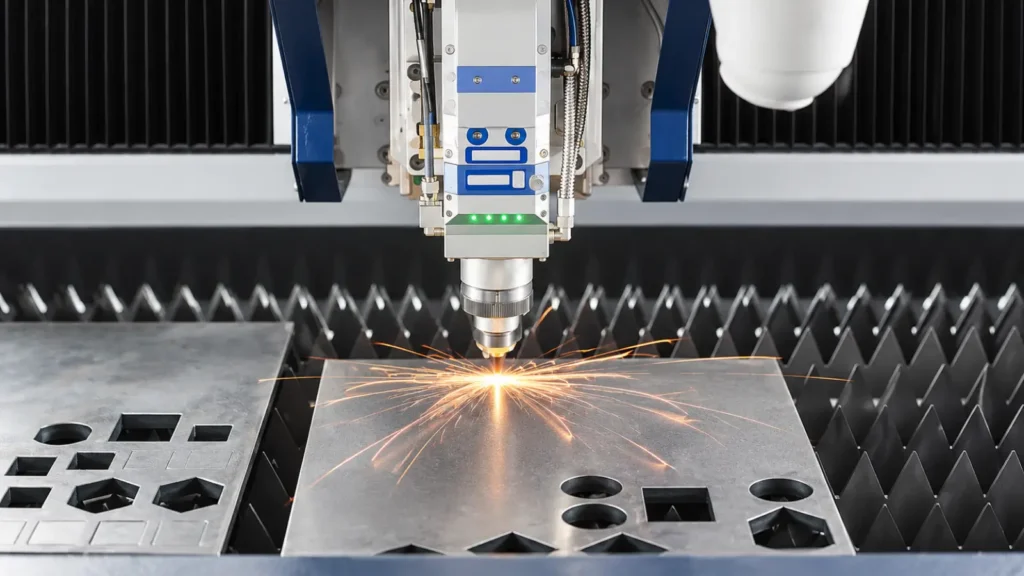
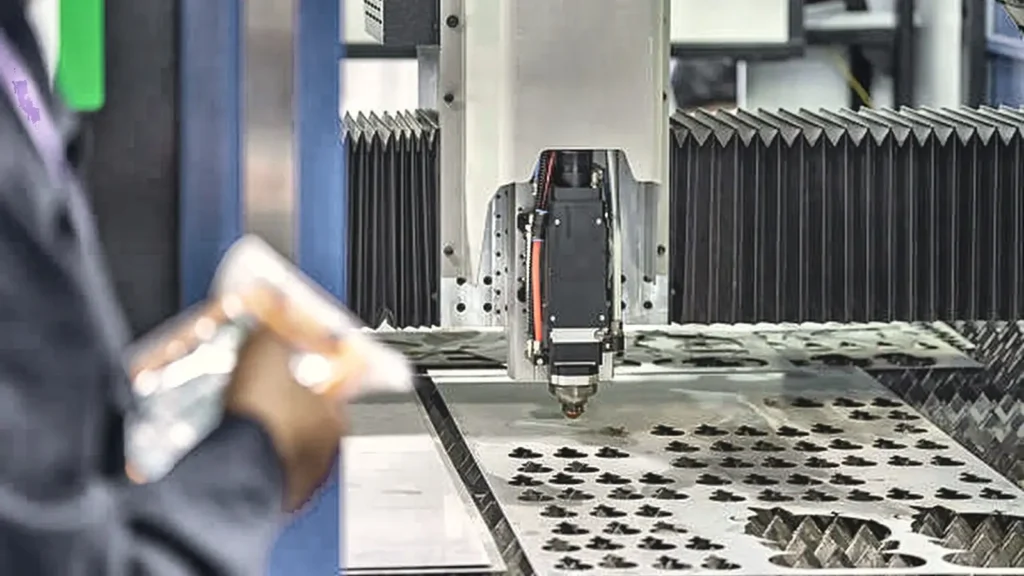
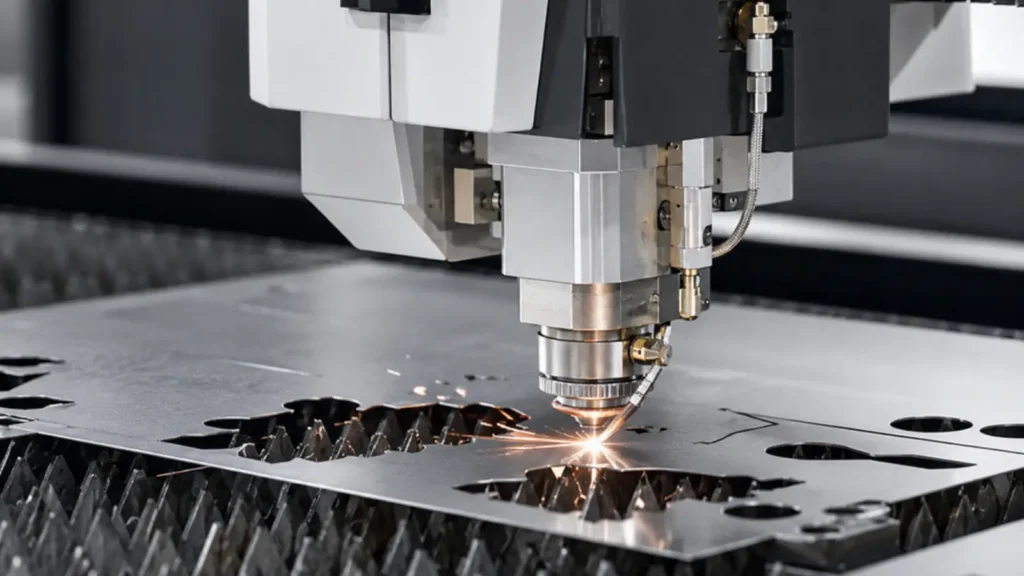
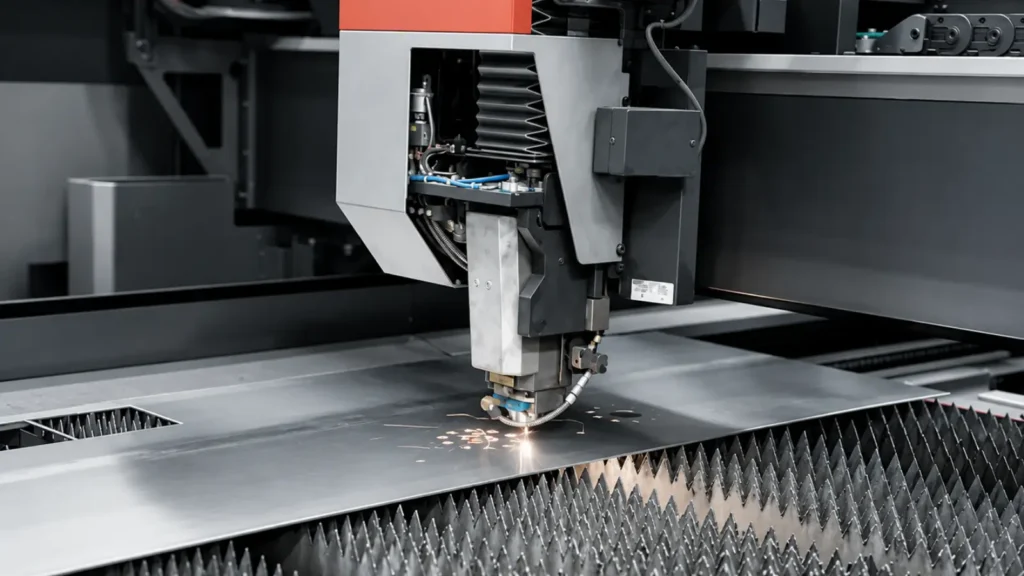
Carbon steel laser cutting machines are widely used in industrial manufacturing. They handle sheet metal fabrication, steel structure processing and mechanical component production. Common parts include equipment brackets, frames, base plates and flanges.
Carbon steel is the most popular material for fiber laser cutting. It supports three mainstream cutting gases: oxygen, nitrogen and compressed air. The gas choice depends on plate thickness, edge quality standards and budget control.
Buying a carbon steel laser cutter requires comprehensive evaluation. Do not only refer to the maximum cutting thickness. You also need to check laser power, gas adaptability, edge stability, piercing performance and long-term operating costs.
1. Common Carbon Steel Materials
Laser cutting machines support all mainstream low-carbon and structural steel materials.
Processable types include mild steel, Q235 steel, Q355 steel, cold-rolled steel, hot-rolled steel and pickled steel plates.
Surface condition greatly affects cutting stability. Rust, oil stains and surface scale will cause unstable cutting. Uneven plate quality may lead to burrs and incomplete penetration.
For stable mass production, use clean and qualified carbon steel plates. Consistent material quality reduces defective parts and rework.
2. Oxygen, Nitrogen or Compressed Air Cutting
Different auxiliary gases bring totally different cutting results and costs. You need to match the gas to your actual production needs.
Oxygen fits medium and thick carbon steel best. The oxidation reaction generates extra heat during cutting. It improves piercing ability and cutting thickness range. The only downside is a natural oxide layer on the cutting edge.
Nitrogen delivers clean, low-oxidation edges. It suits parts with strict surface standards and subsequent welding or coating processes. However, continuous nitrogen consumption leads to higher production costs.
Compressed air is the most cost-effective option for thin carbon steel sheets. It greatly reduces daily gas expenses. Always test edge color and burr conditions before batch production to ensure qualified quality.
The best solution balances thickness, edge requirements and overall production costs.
3. How to Choose the Right Laser Power
Laser power directly controls cutting thickness, cutting speed and piercing efficiency. Reasonable power matching avoids waste and improves stability.
Low power is enough for thin sheet processing. High power boosts efficiency for medium and thick plate cutting.
Power Selection Reference:
1.5–3kW: Suitable for thin carbon steel sheets 4–6kW: Ideal for general sheet metal fabrication 12kW: Stable medium plate cutting with high productivity 20kW and above: Heavy-duty thick plate mass production
Do not judge machine performance only by maximum cutting thickness. The maximum parameter is achieved under ideal conditions. Daily production focuses on stable and economical cutting thickness.
Always select laser power based on your most common order thickness. This ensures stable quality and low long-term operating costs.
4. Edge Quality and Oxide Layer Control
Oxygen cutting leaves a thin oxide layer on carbon steel edges. This is a normal physical phenomenon.
The oxide layer affects subsequent processing. It may reduce the adhesion of painting and powder coating. It also influences the firmness and flatness of high-precision welding.
Parts for decorative or high-standard welding need edge grinding and cleaning. Confirm gas schemes and post-processing steps before formal production.
Avoid vague claims of zero post-processing. Always verify edge performance with your actual materials and processing workflow.
5. Piercing Performance for Thick Plate Cutting
Piercing is the most critical step for medium and thick carbon steel cutting. Poor piercing causes rough holes, surface slag and unstable cutting. It reduces overall production efficiency.
Core advanced functions improve thick-plate processing stability:
Multi-stage piercing, fast piercing and automatic focus adjustment. It also supports height following, standard process database and automatic re-cutting. Stable gas pressure control ensures consistent cutting results.
These functions effectively reduce errors. They keep uniform quality for thick carbon steel batch production.
6. Key Operating Cost Factors
Carbon steel cutting costs are not limited to electricity fees. Multiple hidden expenses affect long-term profits.
Major cost items include auxiliary gas consumption, electricity and consumables. Nozzles, protective lenses and chiller filters need regular replacement. Dust extraction maintenance, material waste, labor and machine downtime also increase production costs.
Effective cost control relies on scientific matching. Choose matched laser power, improve nesting utilization and maintain consumables regularly. Match gas types to part quality needs to avoid unnecessary waste.
7. FAQ
What gas is used for carbon steel laser cutting?
Oxygen is the mainstream choice for medium and thick plates. Nitrogen is for high-quality edge requirements. Compressed air suits cost-sensitive thin sheet production.
Does carbon steel laser cutting produce oxidation?
Yes. Oxygen cutting forms a natural oxide layer on edges. Nitrogen and air cutting can reduce oxidation accordingly.
What laser power fits carbon steel cutting?
Match power to your plate thickness. Low power works for thin sheets. 12kW or higher power ensures stability for medium and thick carbon steel plates.
8. Conclusion
Select a carbon steel laser cutting machine based on your actual production conditions. Key factors include regular plate thickness, gas matching scheme, edge quality standard and piercing performance. You also need to consider production volume and long-term operating costs.
Do not blindly pursue maximum cutting thickness. The ideal machine stably processes your mainstream parts. It balances qualified quality, proper speed and controllable production costs.