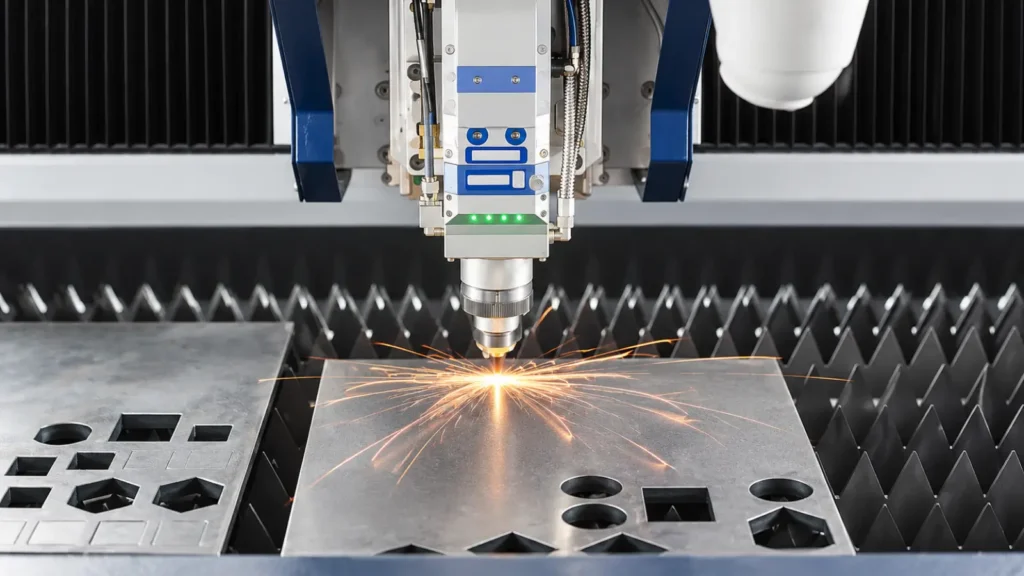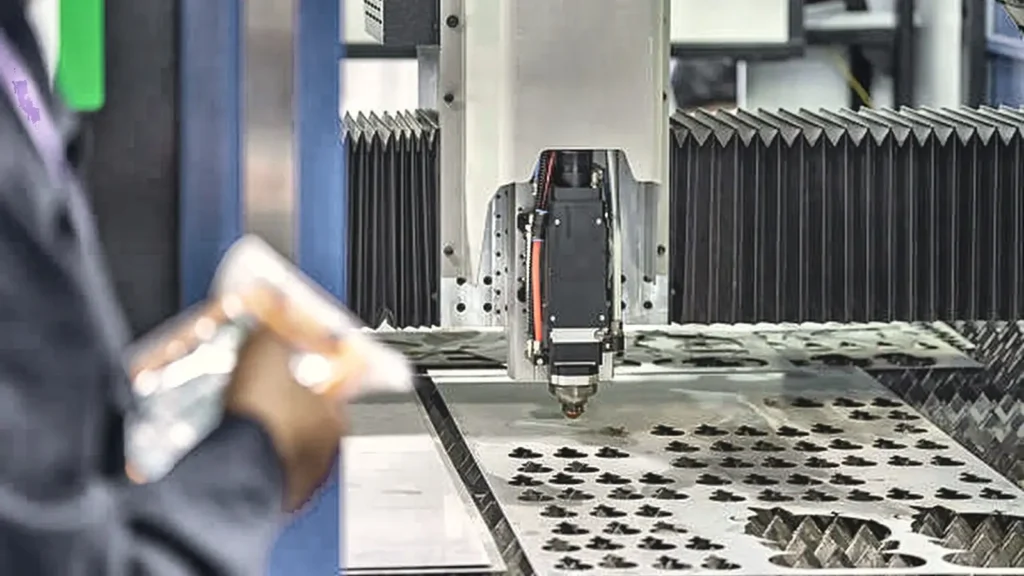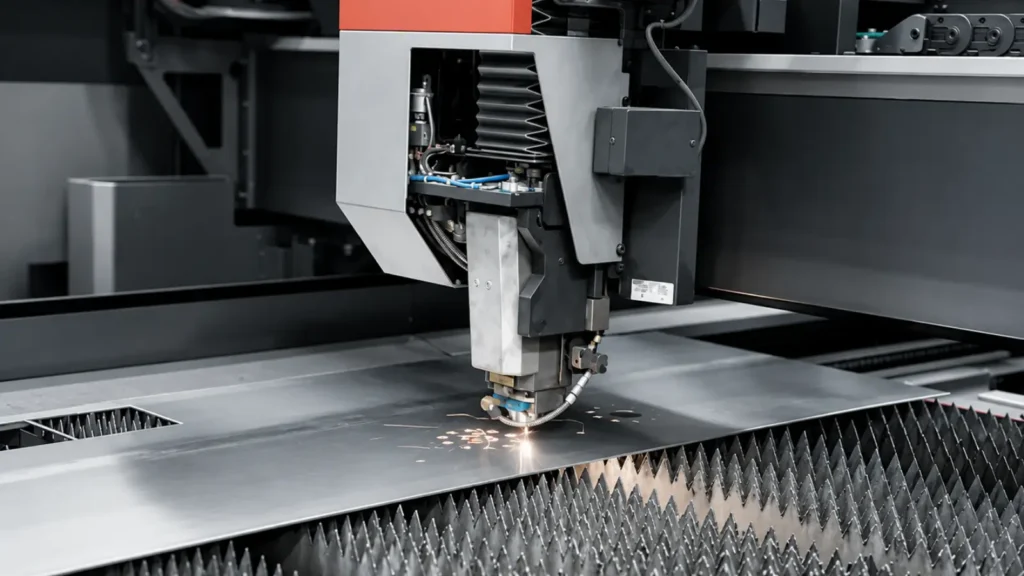
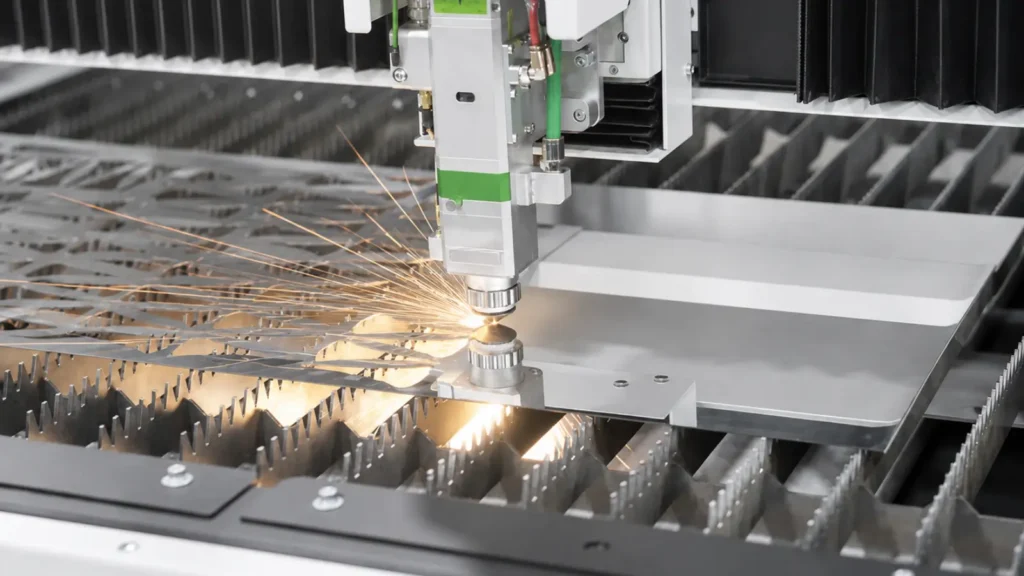
How to Choose Fiber Laser Cutting Machine Power
Choosing the right fiber laser cutting machine power is one of the most important decisions before buying a laser cutter. Laser power affects cutting thickness, cutting speed, piercing performance, cutting quality, machine price, gas consumption, and long-term operating cost.
Many buyers make one mistake: they think higher power is always better. This is not correct. A high-power laser cutting machine can improve productivity when cutting medium and thick metal plates, but it may not be the most economical choice if most of your work is thin sheet metal.
The best laser power should match your real materials, common thickness range, production volume, and quality requirements.
Why Fiber Laser Cutting Machine Power Matters
Laser power determines how much energy the machine can deliver to the metal. In general, higher power can cut thicker materials and improve speed in suitable applications.
Laser power affects:
- Maximum cutting thickness
- Quality cutting thickness
- Cutting speed
- Piercing time
- Edge quality
- Gas consumption
- Machine price
- Cooling system requirements
- Electricity demand
However, laser power is not the only factor. Cutting results also depend on the laser source, cutting head, auxiliary gas, nozzle, focus position, material surface, machine structure, and cutting parameters.
A 12kW machine is not automatically better than a 6kW machine for every factory. It depends on what you cut every day.
Do Not Choose Only by Maximum Cutting Thickness
Maximum cutting thickness is useful, but it can be misleading.
A machine may cut a thick plate under specific conditions, but that does not mean it can cut that material quickly, cleanly, and economically in daily production.
When comparing fiber laser cutting machine power, divide cutting ability into three levels:
| Cutting Range | Meaning |
|---|---|
| Maximum cutting thickness | The thickest material the machine can cut through under specific conditions |
| Quality cutting thickness | The range where edge quality and cutting stability are better |
| Economic cutting thickness | The range suitable for daily production with good speed and reasonable cost |
For most factories, economic cutting thickness is more important than maximum cutting thickness.
If most of your orders are thin or medium-thin sheets, choose a power level that works efficiently in that range. Do not overpay for extreme thickness capacity that you rarely use.
Common Laser Power Options
Different laser power levels fit different production needs.
| Laser Power | Suitable Application |
| 1.5–3kW | Thin sheet cutting and entry-level production |
| 4–6kW | General sheet metal fabrication |
| 12kW | Medium plate cutting and higher productivity |
| 20kW and above | Heavy-duty cutting and high-volume production |
A 1.5kW to 3kW fiber laser cutting machine is often suitable for small workshops, thin stainless steel, thin carbon steel, galvanized sheet, advertising parts, and light fabrication.
A 4kW to 6kW laser cutter is a practical choice for many sheet metal factories. It can cover a wider range of materials and thicknesses while keeping investment and operating cost relatively balanced.
A 12kW fiber laser cutting machine is more suitable for factories that cut medium-thickness plates regularly and need higher output.
20kW, 30kW, and higher-power machines are mainly used for heavy-duty manufacturing, thick plate cutting, large metal processing centers, and high-volume industrial production.
For general sheet metal fabrication, a fiber laser cutting machine in the correct power range is usually more valuable than simply choosing the highest wattage.
Match Laser Power With Material Type
Different metals respond differently to laser cutting.
Carbon steel can be cut with oxygen, nitrogen, or compressed air. Oxygen cutting helps with thicker carbon steel because oxidation adds heat, but the cutting edge usually has an oxide layer.
Stainless steel is often cut with nitrogen when a bright, low-oxidation edge is required. This is common for kitchen equipment, food machinery, elevator panels, electrical cabinets, and stainless steel enclosures.
Aluminum, brass, and copper are more reflective. These materials require a suitable laser source, back-reflection protection, stable cutting head, and verified cutting parameters.
Do not use carbon steel thickness data to judge aluminum, brass, or copper cutting ability. Reflective materials need separate confirmation.
Consider Gas and Operating Cost
Higher laser power may improve speed, but it can also increase gas and electricity demand.
Nitrogen cutting is common for stainless steel and aluminum, but gas consumption may be high. Oxygen is often used for carbon steel, but the edge may oxidize. Compressed air can reduce cost in some thin sheet applications, but edge quality must be tested.
When choosing fiber laser cutting machine power, compare:
- Machine price
- Cutting speed
- Gas consumption
- Electricity cost
- Protective lens cost
- Nozzle cost
- Cooling cost
- Maintenance cost
- Machine utilization rate
A high-power laser cutting machine is economical only when your production volume can use its capacity.
Match Power With Automation
As laser power increases, cutting speed can become much faster. If loading, unloading, and sorting are still manual and slow, the machine may spend too much time waiting.
For medium and high-power machines, consider:
- Exchange table
- Automatic loading
- Automatic unloading
- Automatic nozzle changer
- Sheet storage tower
- Part sorting system
Automation helps reduce non-cutting time and improves real output. Without it, a high-power machine may not reach its full value.
FAQ
Is higher laser power always better?
No. Higher power is useful only when your material thickness, production volume, and workflow can use it effectively.
What power is suitable for general sheet metal cutting?
For many sheet metal factories, 4kW to 6kW is a balanced range. For medium and thick plate production, 12kW or higher may be more suitable.
Should I choose power by maximum cutting thickness?
No. You should focus more on quality cutting thickness and economic cutting thickness for daily production.
Conclusion
Choosing fiber laser cutting machine power should be based on real production needs, not only catalog data. The right power depends on your material type, common thickness, edge quality requirement, gas cost, production volume, and automation level.
The best machine is not always the highest-power machine. It is the machine that can process your main orders with stable quality, reasonable cost, and enough capacity for future growth.