What Materials Can a Metal Laser Cutting Machine Cut?
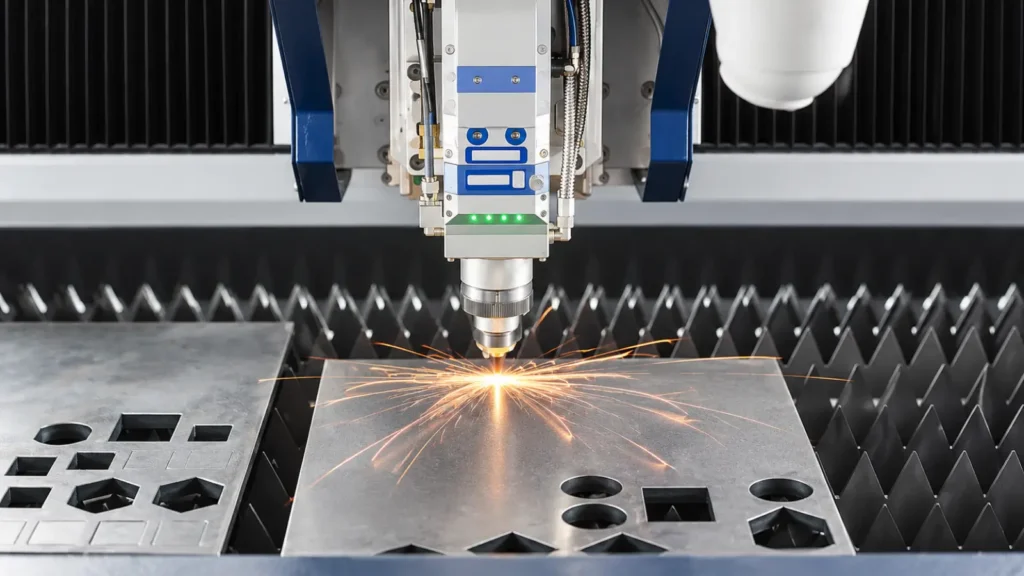
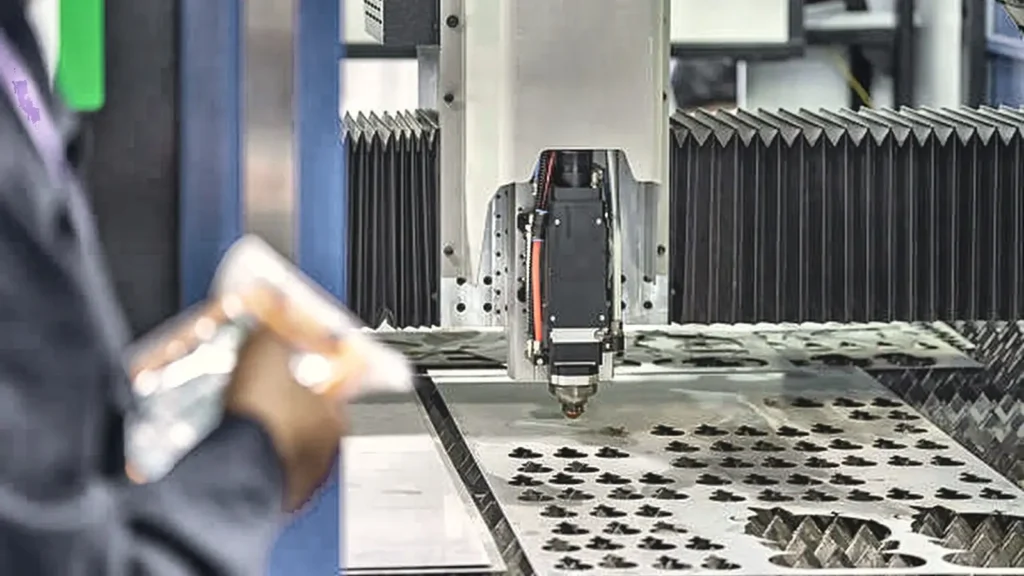
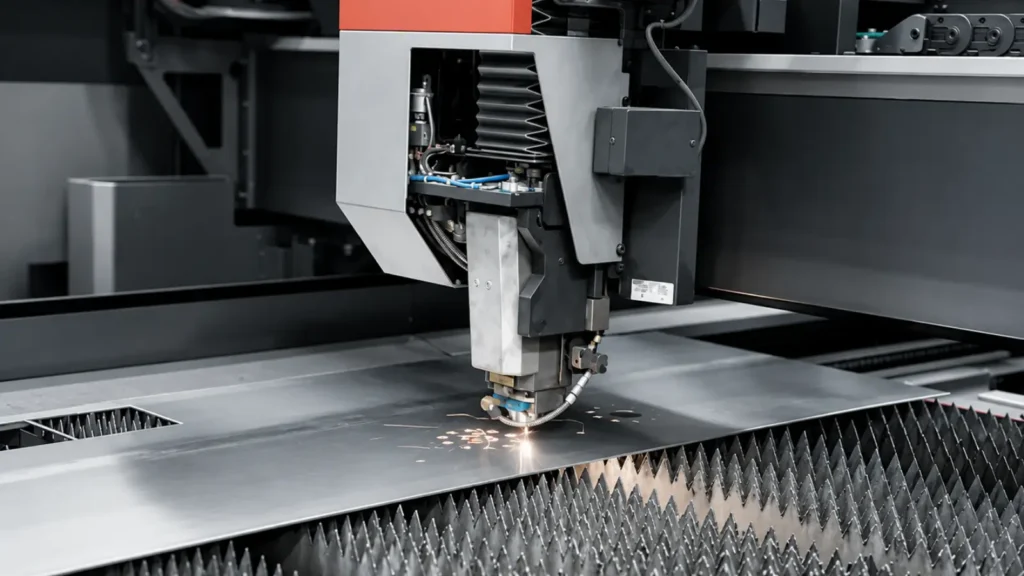
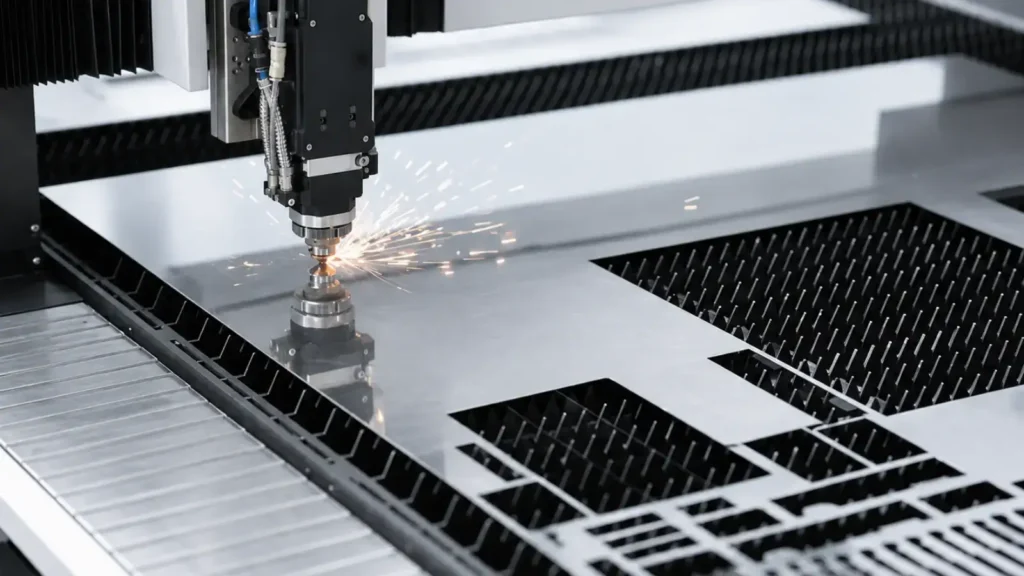
Metal laser cutting machines are popular in metal manufacturing. They deliver flexible, precise and fast metal cutting. They fit most sheet metal fabrication jobs. Common applications include machinery parts, electrical cabinets, kitchenware, auto parts and elevator components.
Every metal cuts differently. Cutting quality relies on more than just material type. It depends on material grade, thickness and surface condition. Laser power, auxiliary gas and machine settings also decide final cutting results.
This article lists all common metals for fiber laser cutting. It shares key tips to help buyers choose the right machine.
1. Carbon Steel
Carbon steel is the most common material for fiber laser cutting. It is widely used for frames, brackets, base plates, flanges and structural parts.
Common types include mild steel, Q235, Q355, cold-rolled steel, hot-rolled steel and pickled steel plates.
Three gas options work for carbon steel cutting.
Oxygen fits medium and thick steel best. It creates extra heat during cutting. This improves cutting capacity. It only leaves a thin oxide layer on the edge.
Nitrogen makes clean, oxide-free edges but costs more. Compressed air is a low-cost choice for thin sheet cutting.
2. Stainless Steel
Stainless steel is a mainstream cutting material. It is used for kitchen equipment, medical parts, elevator panels and decorative metal products.
Popular grades are 201, 304, 316 and 430 stainless steel. Decorative stainless sheets are also widely processed.
High-purity nitrogen is the standard gas choice. It produces bright, smooth edges. It reduces later polishing and cleaning work.
Perfect burr-free cuts are not always guaranteed. Many factors affect edge quality. These include material thickness, gas purity, nozzle condition and cutting speed.
With matched materials and correct parameters, the machine delivers stable, low-burr results for mass production.
3. Aluminum and Aluminum Alloy
Fiber lasers can cut aluminum and aluminum alloys. This material needs stricter settings than regular steel.
Common types include pure aluminum, 5052, 6061, 6063 and aluminum-magnesium alloy sheets.
Aluminum has high light reflection and fast heat conduction. It easily rebounds laser energy during processing.
The machine must have professional anti-reflection protection. It also needs a stable cutting head and verified parameters. You can use nitrogen or compressed air based on your quality and budget needs.
If you cut aluminum daily, always test with your actual material and thickness before buying a machine.
4. Brass and Copper
Brass and copper are high-reflection metals. They are used for electrical parts, connectors, busbars and new energy components.
They are much harder to cut than steel. High reflection and fast heat conduction affect cutting stability. They may even damage machine optical parts.
These two metals require full professional configuration.
You need an anti-reflection laser source, stable gas control and matched nozzles. Verified piercing parameters and accurate focus settings are also necessary.
Do not trust simple claims like “can cut copper or brass”. Always check real sample results. Confirm the available cutting thickness and edge quality for your production.
5. Galvanized Steel and Coated Steel
Galvanized and coated steel are common for ventilation ducts, electrical boxes and home appliance shells.
Fiber laser cutting works very well for thin coated sheets. It makes precise holes and complex shapes. It supports flexible small-batch production without molds.
The biggest issue with coated metal is harmful cutting fumes. Machines need reliable dust extraction and ventilation systems.
Fully enclosed machines are the best choice. They ensure clean workshop air. They protect operator safety and keep machine parts clean.
6. Special Metals
High-quality fiber laser machines can cut special industrial metals. This includes titanium alloy, nickel alloy, tool steel, spring steel and electrical steel.
These materials do not belong to standard cutting lists. All cutting ability must pass real tests.
Special metal cutting needs strict control. It requires high-purity inert gas, exclusive parameters and oxidation control.
Aerospace and medical industries have strict quality rules. Always confirm material adaptability before formal production.
7. Unsuitable Materials for metal Laser Cutting Machine
Fiber laser machines are built only for metal processing. They cannot cut non-metal materials.
Unsuitable materials include wood, acrylic, glass, PVC, leather, fabric and stone. Most transparent plastics and chlorine-containing materials are also prohibited.
These non-metals need special laser equipment. Cutting PVC produces toxic gas. It damages machines and causes safety risks.
FAQ
Can a fiber laser cut stainless steel?
Yes. Stainless steel is a standard cutting material. Nitrogen cutting creates clean, low-oxidation edges for high-quality parts.
Can a fiber laser cut aluminum?
Yes. Aluminum is reflective and heat-sensitive. Anti-reflection machine protection and professional parameters are required for stable cuts.
Can a fiber laser cut copper?
Yes. Copper needs strict machine configuration. Sample testing is necessary to confirm cutting quality and thickness range.
Conclusion
Metal laser cutting machines process most industrial metals. This covers carbon steel, stainless steel, aluminum, brass, copper, galvanized steel and special alloys.
Each metal has unique cutting rules and requirements. Material grade, thickness and gas choice all change final results.
Always verify cutting samples before purchase. Choose a machine that matches your actual materials and quality needs, not just theoretical data.