Sheet Metal Laser Cutter for Electrical Cabinets
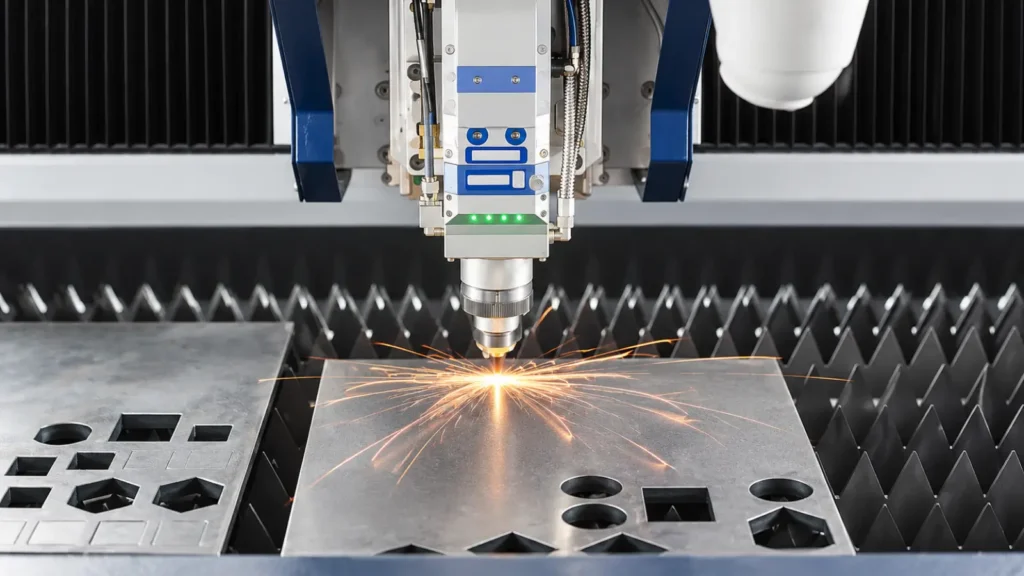
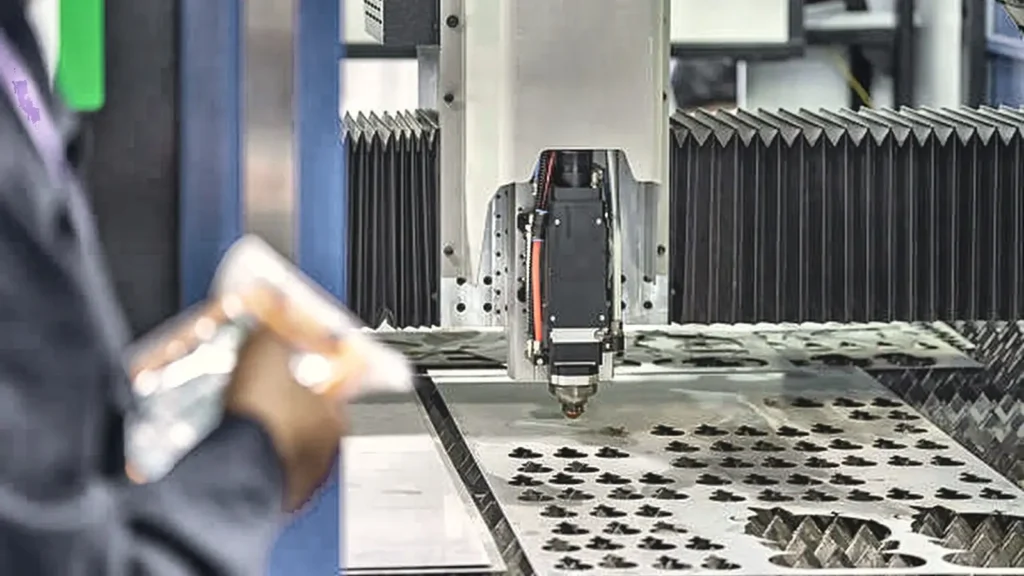
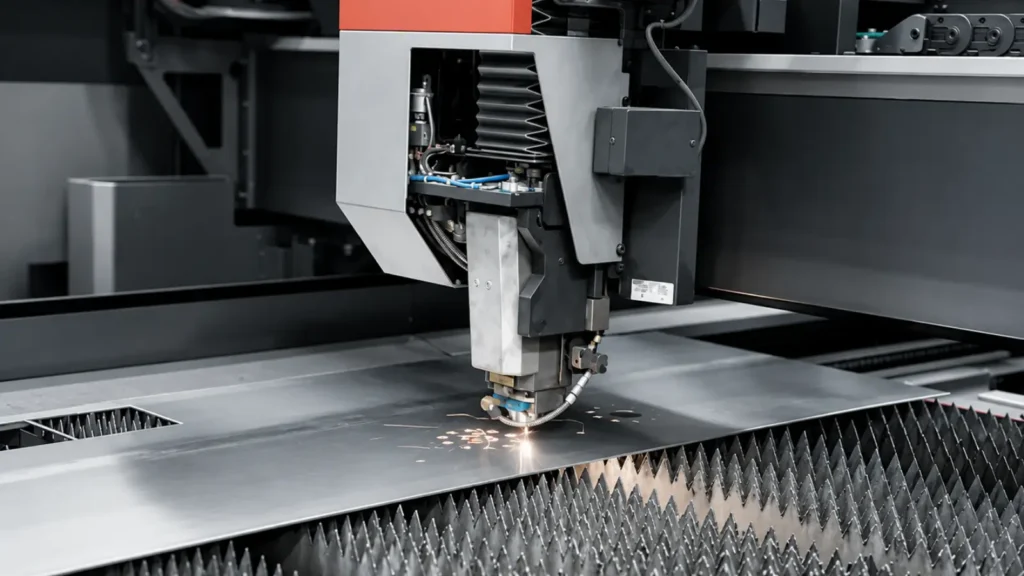
Sheet metal laser cutters are widely used for electrical cabinet production. They process cabinet doors, side panels, mounting plates and ventilation holes. They also finish cable openings, control panels and metal enclosures.
Electrical cabinet parts require high precision and clean cutting edges. They need stable repeatability to match bending, welding and assembly processes. A proper laser cutter directly improves product quality and production efficiency.
Common Materials for Electrical Cabinets
Electrical cabinets and enclosures are mainly made of common industrial metal sheets.
Main materials include carbon steel, cold-rolled steel, galvanized steel, stainless steel and aluminum sheets.
Different materials need different cutting solutions.
Carbon steel can use oxygen, nitrogen or compressed air. Choose gas based on your edge quality and cost needs.
Stainless steel usually requires nitrogen. It creates smooth, low-oxidation edges for finished cabinet surfaces.
Galvanized steel produces fumes during cutting. The machine must support strong dust extraction to ensure safe and clean production.
Always confirm your mainstream material and thickness before buying. Do not select a machine only by maximum cutting thickness.
Why Cutting Accuracy Is Critical
Electrical cabinet parts contain many holes, slots and cutouts. These structures must precisely match hinges, locks, switches, fans and wiring parts.
Key accuracy standards for cabinet production:
Stable small hole quality, precise long slots and consistent part dimensions. It also requires clean corners, reliable repeatability and accurate kerf compensation.
High precision depends on a stable motion system and qualified CNC controller. Correct parameters ensure uniform cutting quality.
Inaccurate holes or slots slow down assembly. They cause fitting errors and increase rework costs.
How to Choose the Right Laser Power
Most electrical cabinet parts are thin or medium-thin sheets. Ultra-high power is usually unnecessary and wasteful.
Follow this practical power selection guide:
Thin carbon steel and galvanized sheets fit entry or medium-power machines. Stainless steel cabinets need medium-power equipment with stable nitrogen cutting. Mixed orders require flexible general sheet metal laser cutters. High-volume factories need exchange tables and automatic systems.
Match power to your daily orders. Prioritize speed and accuracy for thin sheets. Do not overpay for unused thick-plate cutting capacity.
Optimize Nesting to Reduce Material Waste
Cabinet production involves many flat parts from the same metal sheet. Good nesting software greatly lowers material waste.
Core useful functions include automatic nesting, common-line cutting and kerf compensation. Micro-joint setting, remnant sheet management and fast CAD import also save time and cost.
Material utilization directly affects factory profits. Advanced nesting software reduces sheet waste and shortens manual programming time. It supports efficient mass production of mixed cabinet parts.
Match Laser Cutting With Downstream Workflow
Laser cutting is only the first step of cabinet manufacturing. Parts later go through bending, welding, coating and assembly.
Choose your machine based on full production workflow.
Ensure accurate hole positions for smooth assembly. Confirm clean edges that fit bending processes. Check whether oxidized edges need extra treatment before coating. Support fast part sorting and batch order management.
Carbon steel cut with oxygen leaves an oxide layer. High-standard welding or painting requires secondary processing. This factor should be considered in your parameter setup.
Open-Type vs Fully Enclosed Machines
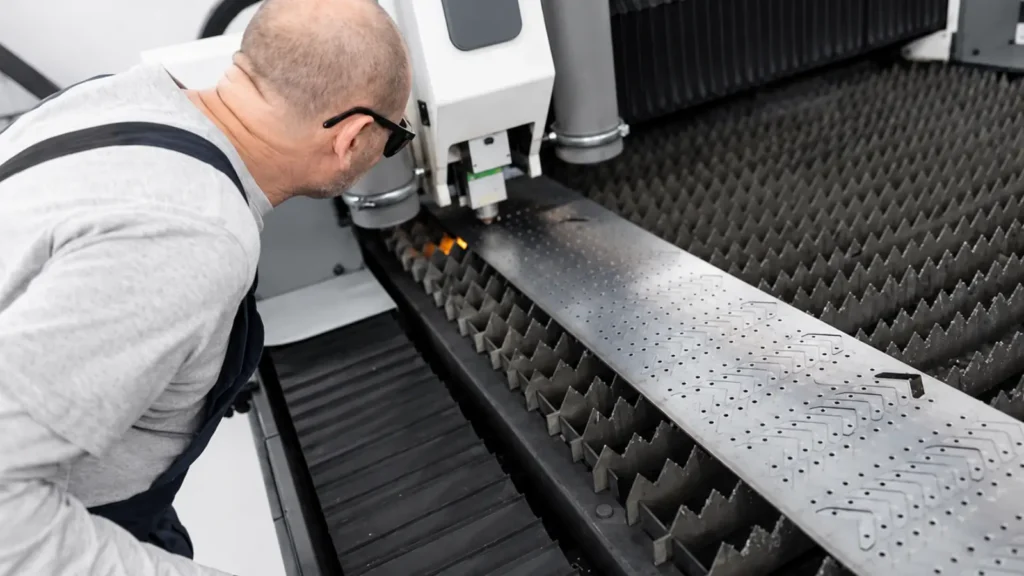
Small workshops can choose open-type laser cutters. They cost less and fit simple manual loading work.
Medium and large cabinet factories need fully enclosed machines with exchange tables. They offer better safety, cleaner dust control and higher efficiency.
The exchange table cuts idle time. Operators load one sheet while the machine cuts the other. This greatly improves output for high-volume orders.
FAQ
What laser cutter works best for electrical cabinets?
Choose a medium-precision sheet metal laser cutter. It needs stable thin-sheet cutting, professional nesting software and matched power for your regular materials.
Can laser cutting replace punching for cabinet production?
Yes. It eliminates mold costs and improves flexibility. It fits small batches and custom cabinet designs. For ultra-large fixed orders, you can combine both processes for higher efficiency.
Is galvanized steel suitable for laser cutting?
Yes. But you need a complete dust extraction system. It removes harmful fumes and protects workshop safety.
Conclusion
Select electrical cabinet laser cutters based on your core production needs. Key factors include material type, sheet thickness, cutting accuracy and nesting performance. You also need to match the machine to your downstream workflow and production volume.
A qualified cabinet laser cutter is not just fast. It stabilizes part quality, reduces material waste and simplifies assembly. It brings consistent and long-term cost advantages for electrical cabinet manufacturing.